Hospitality Insurance
It's the first question most restaurant owners ask, and the honest answer is that it depends. Two restaurants on the same street can pay very different premiums, because the insurer is pricing the risk in each one, not the street.
This guide explains what drives the cost, how to read a quote, and how to keep your premium down without cutting the cover you'll need. It's general information, not advice for your situation. For the full picture of cover, see our hospitality insurance page.
Why there's no standard price
Insurers look at how likely a claim is and how big it could be. For a restaurant, that comes down to:
What you do. A cafe, a fine-dining restaurant and a late-night bar with a liquor licence are priced differently.
Turnover and staff numbers. They affect public liability and workers' compensation pricing.
The premises. Age and construction of the building, whether you own or lease, and what's next door.
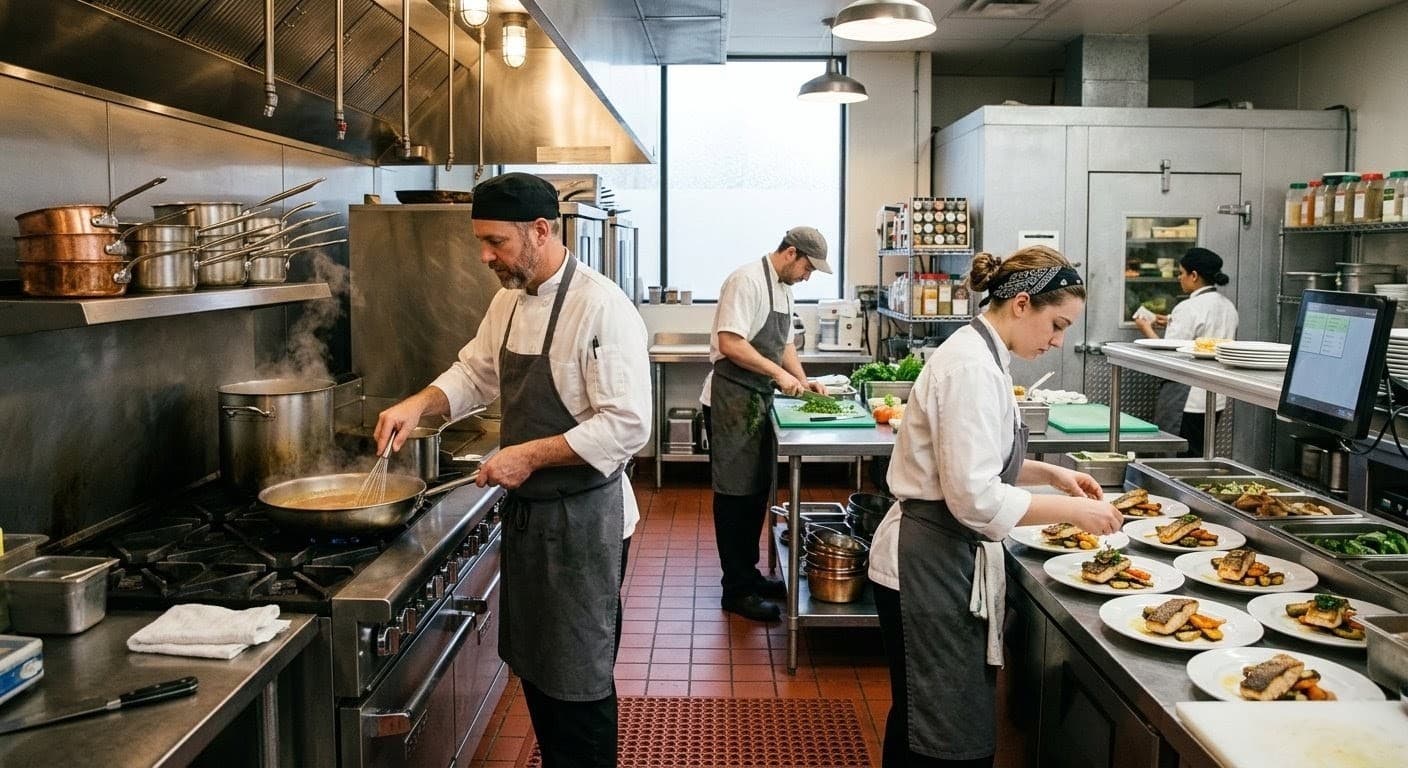
Cooking methods. Deep fryers, wood-fired ovens, charcoal grills and solid fuel carry more fire risk.
Equipment and fit-out value. The more there is to replace, the higher the sum insured.
Alcohol and trading hours. Serving alcohol and trading late both change the liability risk.
Fire protection and housekeeping. Extinguishers, suppression systems, alarms and exhaust cleaning records all count.
Security. Alarms, CCTV, locks and shutters can help with theft cover.
Claims history. Past claims, yours or the previous owner's, can affect price.
The covers you choose, and the excesses. More cover costs more. A higher excess usually lowers the premium.
How to read a quote
A premium on its own tells you very little. Check these before you compare:
What's included. Public liability, property and contents, business interruption, equipment breakdown, food spoilage, glass, theft, liquor liability, workers' compensation. Is each one in, optional or excluded?
The sums insured. Do they reflect what it would cost to replace your fit-out, kitchen equipment and stock today?
Business interruption. What's the indemnity period, and does the sum insured match your gross profit?
Limits. What's the public liability limit, and does your lease ask for more?
Excesses. How much will you pay on each type of claim?
Exclusions and conditions. Look for requirements on exhaust cleaning, alarms, fire protection and alcohol.
Why the cheapest quote isn't always the best
Two quotes can look similar and be very different. A lower premium can come from a sum insured that's too low, a short business interruption period, missing equipment breakdown or spoilage cover, or exclusions that only show up when you claim. If the policy doesn't respond when you need it, the saving doesn't matter.
Ways to keep the cost down without cutting cover
Keep exhaust cleaning records and have your kitchen fire protection serviced on schedule.
Improve security. Alarms, CCTV and good locks can help with theft claims and pricing.
Consider a higher excess on claims you could comfortably absorb, and keep the cover for the big ones.
Declare things accurately. Underinsuring or leaving things out can lead to a reduced or declined claim.
Bundle your covers. Having several covers with one insurer can sometimes help, though not always.
Review at every renewal. Don't accept a renewal without checking sums insured and what's changed in your business.
Use a broker. A broker can compare options across insurers and explain the differences.
What to have ready for a quote
Turnover, staff numbers and wages, an equipment list with ages and values, fit-out value, stock levels, cooking methods, exhaust cleaning records, fire protection details, alcohol sales and trading hours, lease details and your claims history.
Two policies, one price
Two restaurants each pay a similar premium. One has business interruption for 12 months and equipment breakdown included, with the fit-out insured at replacement cost. The other has no equipment breakdown, a short business interruption period and a fit-out sum insured based on an old invoice. When a kitchen fire closes both for six months, one policy responds in full. The other leaves the owner paying part of the bill. (Illustrative example only. Cover depends on your policy wording.)
Is restaurant insurance compulsory in Australia?
Workers' compensation is compulsory for employers. Other covers, like public liability, aren't compulsory by law, but landlords, councils and venues often require them.
Does a higher excess always lower the premium?
Usually it does, but not always by much. Make sure you could comfortably pay the excess if you had to claim.
How often should I review my cover?
At every renewal, and whenever something changes, like new equipment, higher turnover, a fit-out or a move.
Can you give me a price over the phone?
We need to understand your business first. Call us on 02 8660 2305 or tap Get a Quick Quote, and we'll take it from there.
Related Pages
Explore cover options linked to this article
Disclaimer: The information provided on this page is general advice only and does not take into account your personal circumstances, objectives or needs. Before making any decision about insurance, consider the relevant Product Disclosure Statement and Target Market Determination and whether the product is suitable for you. Insurance cover is subject to the terms, conditions, limits and exclusions of the policy.